
Wondering What to Do After Getting Engaged?
There are few moments as exciting as hearing those four little words: “Will you marry me?”
One minute you’re admiring your new ring. The next, your phone is exploding with texts, family members are asking about wedding dates, and your Pinterest board suddenly has a purpose.
It happens fast.
Most couples have never planned a wedding before, so it’s completely normal to wonder what comes next. Should you start looking at venues? Book a photographer? Set a date? Create a budget? Or simply enjoy being engaged?
The truth is—you don’t have to figure everything out overnight.
As wedding planners, we’ve watched hundreds of engagements unfold. The couples who enjoy the planning process the most aren’t the ones who rush to make decisions. They’re the ones who start with the right foundation.
This guide walks you through exactly what to do during your first month of engagement, helping you avoid common mistakes while setting yourself up for a wedding planning experience that’s organized, enjoyable, and far less stressful.
The First 30 DaysStep 1: Pause and Celebrate
Before opening another wedding planning app or scrolling through venue photos, take a moment to simply enjoy being engaged.
This season only happens once.
Go to dinner.
Take photos.
Call your grandparents.
Celebrate with your closest friends.
Wear the ring.
Soak in every congratulations.
The wedding will come soon enough, but the excitement of becoming engaged is something you’ll never experience again.
One of the biggest regrets we hear from couples is that they felt pressure to start planning immediately instead of enjoying the milestone.
There is no prize for booking your venue within 48 hours.
Step 2: Talk About the Wedding Before You Plan It
Before researching venues or florists, spend an evening talking with your fiancé about what you actually want your wedding to feel like.
Instead of asking:
“What colors should we use?”
Ask questions like:
- How do we want guests to feel?
- Do we imagine a formal celebration or something more relaxed?
- Would we rather have 75 guests or 250?
- Is the experience more important than having every tradition?
- Do we picture a ballroom, historic venue, garden, or destination wedding?
This conversation becomes the foundation for every planning decision that follows.
Couples often jump straight into booking vendors before they’ve established a shared vision, making later decisions much harder.
Step 3: Set a Realistic Budget
Your budget influences almost every wedding decision you’ll make.
Before touring venues, determine:
- How much can you comfortably spend?
- Are parents contributing?
- Will anyone else be helping financially?
- Is your budget fixed, or does it have flexibility?
Remember that your venue is only one piece of the overall investment.
You’ll also need to account for:
- Photography
- Videography
- Florals
- Catering
- Entertainment
- Rentals
- Invitations
- Transportation
- Hair and makeup
- Attire
- Wedding planner
- Gratuities
- Taxes
Creating a realistic budget early prevents disappointment later when you begin receiving vendor proposals.
Step 4: Decide on Your Guest Count
You don’t need an exact guest list yet.
But you do need an estimate.
A wedding for 80 guests looks very different from one for 250 guests.
Your estimated guest count affects:
- Venue options
- Catering costs
- Rental quantities
- Floral budgets
- Transportation
- Overall wedding investment
Most venues will ask for an estimated guest count during your very first tour.
Knowing your approximate number saves everyone time.
Step 5: Hire Your Wedding Planner Before Most Vendors
This surprises many couples.
Most people think the venue should come first.
In reality, hiring a full-service wedding planner early can make every decision afterward significantly easier.
A planner helps you:
- Build a realistic budget.
- Narrow down venues that actually fit your vision.
- Recommend trusted vendors.
- Review contracts.
- Create a planning timeline.
- Avoid expensive mistakes.
- Keep every detail organized from day one.
Rather than spending hours researching hundreds of options online, you’ll have an experienced professional guiding you toward vendors who match your style, priorities, and budget.
The earlier you involve your planner, the more value you’ll receive throughout the planning process.
Step 6: Start Looking at Wedding Venues
Once you’ve established your budget, guest count, and overall vision, it’s time to begin venue shopping.
When touring venues, don’t focus only on the appearance.
Ask questions about:
- Guest capacity
- Included rentals
- Rain plans
- Vendor policies
- Parking
- Accessibility
- Setup and cleanup
- Alcohol policies
- Available dates
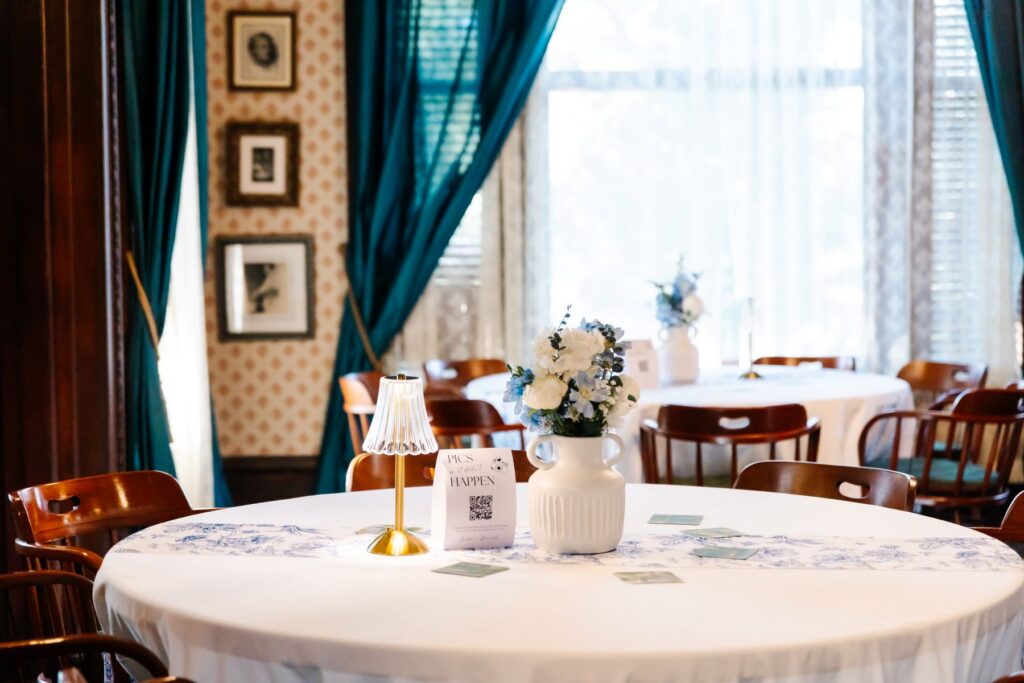
The perfect venue isn’t simply beautiful—it’s the one that works seamlessly for your wedding day.
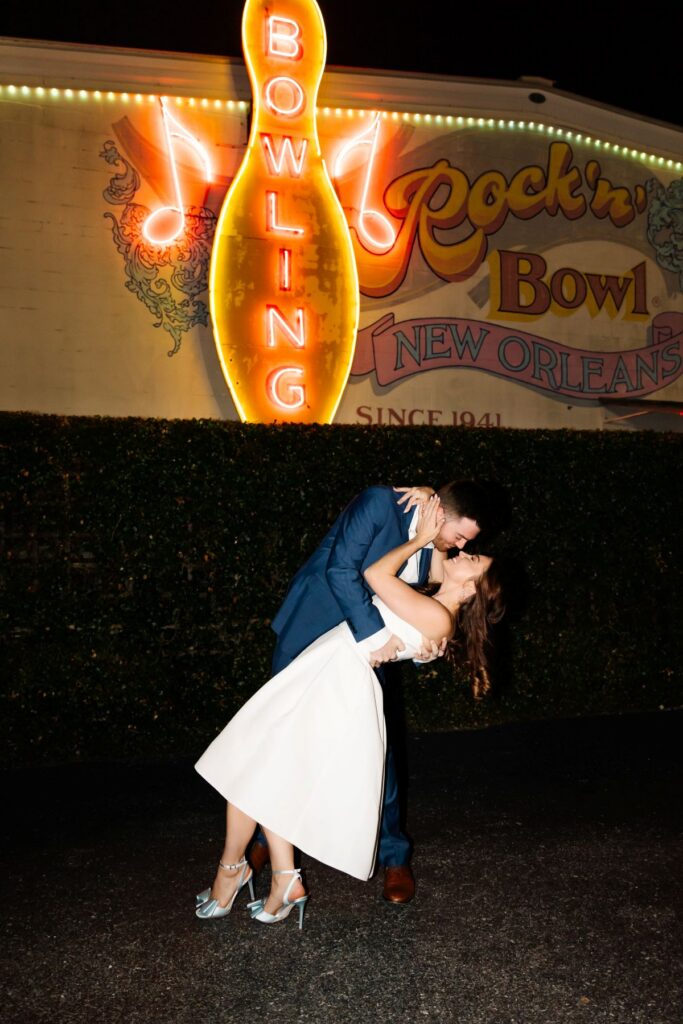
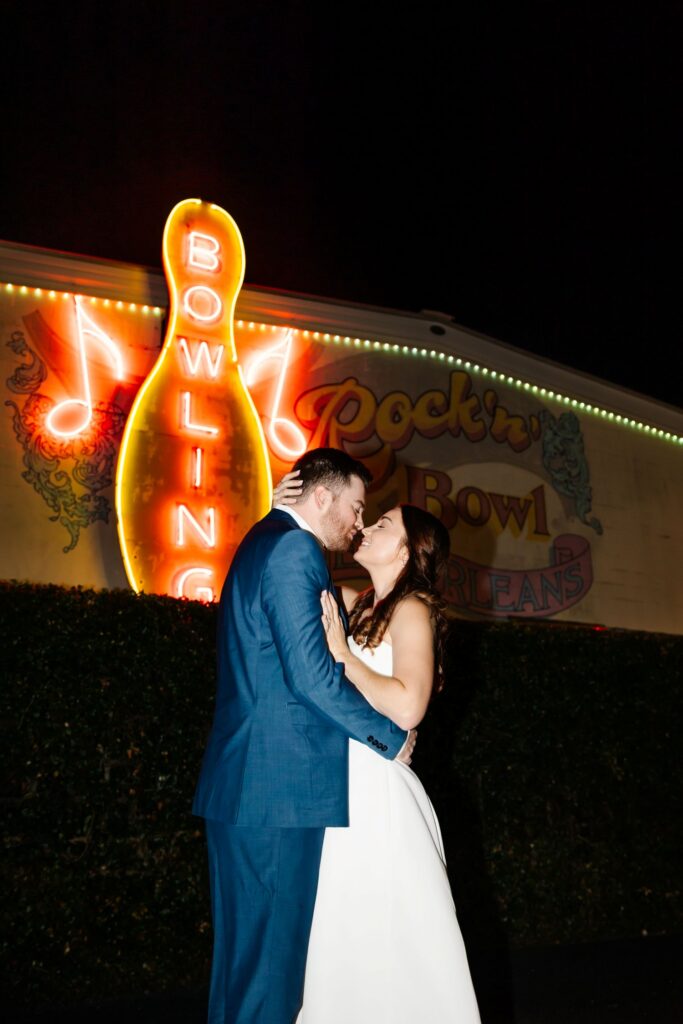
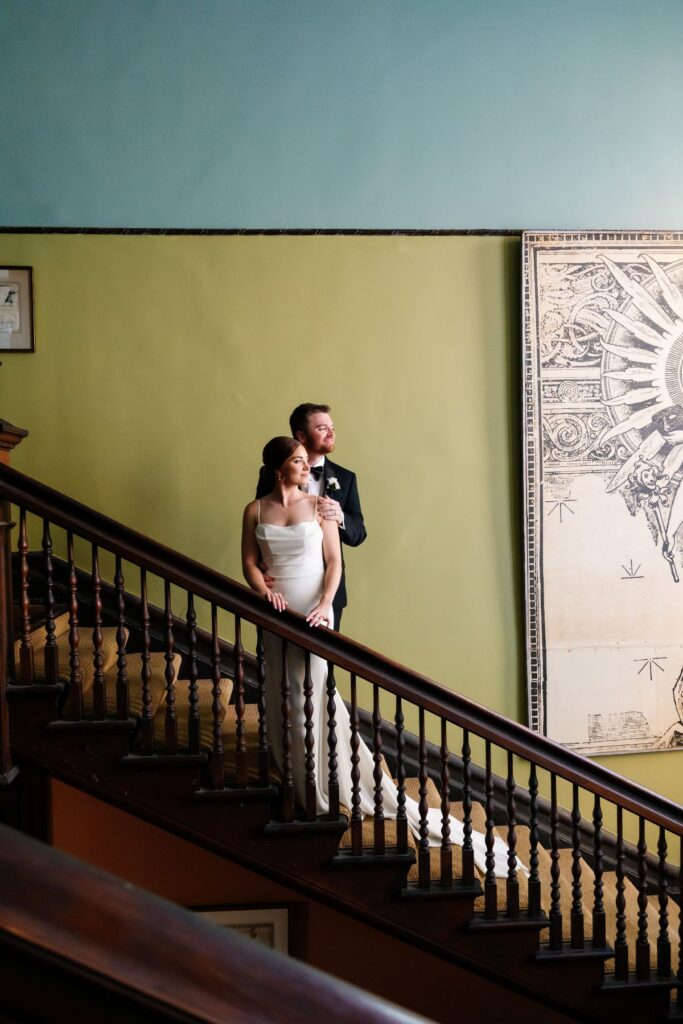
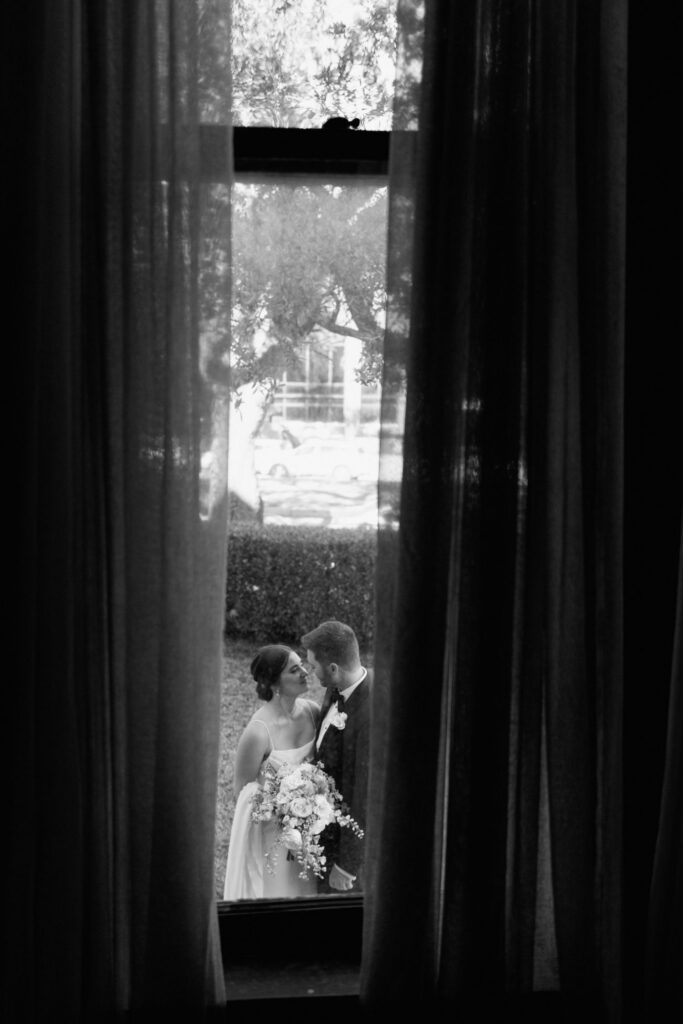









Looking for help planning your perfect day? The Waverly Team would be honored to help, contact us here: https://www.waverlyweddingco.com/contact
Want to see what we’ve been pinnin’? Check out our Pinterest here: https://www.pinterest.com/waverlyweddingco
Instagram your thing? Here we are! https://www.instagram.com/waverlyweddingco
Check out another great blog here:https://waverlyweddingco.com/2025/04/05/what-are-the-most-exclusive-new-orleans-wedding-venues/
Continue reading…
The remainder of this guide covers:
- Choosing your wedding date
- When to book photographers and other vendors
- Creating your wedding planning timeline
- Engagement photos
- Wedding insurance
- Common mistakes newly engaged couples make
- Frequently asked questions
- Your next steps after the first 30 days
